
 Español
 Portugues
 简体中文
简体中文 Pусский

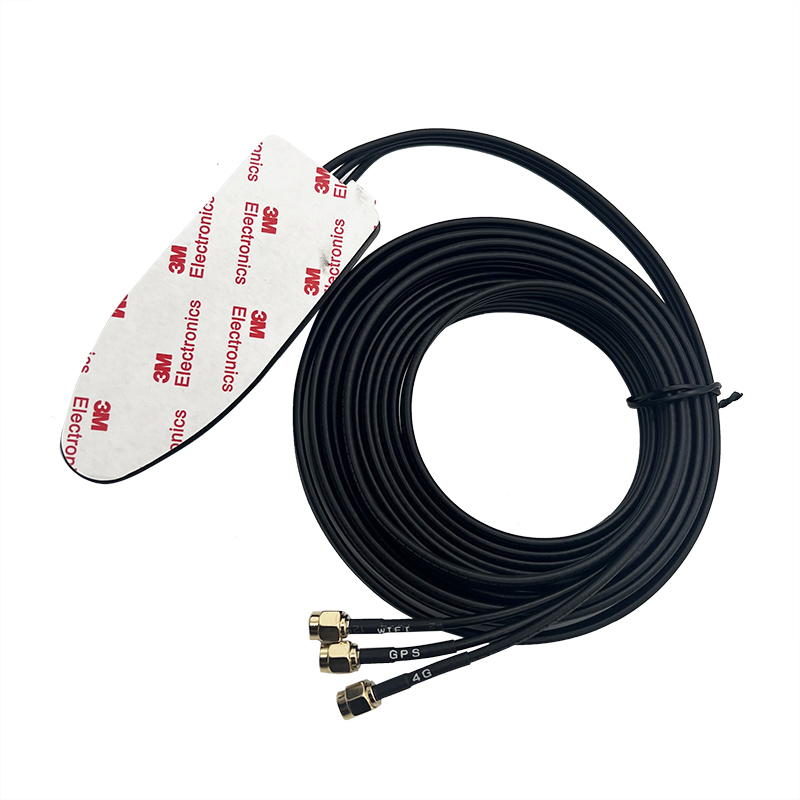
Classification of GPS antenna
1. GPS antenna is divided into vertical polarization and circular polarization in terms of polarization mode.
The effect of vertical polarization is not as good as that of circular polarization. Therefore, except for special cases, GPS antenna will adopt circular polarization and linear polarization.
2. GPS antenna is divided into internal antenna and external antenna in terms of placement.
The assembly position of the antenna is also very important. In the early days, most GPS handsets used a tilt-out antenna. At this time, the antenna is basically isolated from the inside of the whole machine, and EMI has little impact on it. The effect of satellite reception is very good. With the trend of miniaturization, GPS antennas are mostly built in. At this time, the antenna must be above all metal devices, the shell must be plated and well grounded, and away from EMI interference sources, such as CPU, SDRAM, SD card, crystal oscillator, DC/DC.
The application of on-board GPS will become more and more popular. However, the shell of the car, especially the anti-explosion film of the car, has a serious obstacle to the GPS signal. An external antenna with a magnet (which can be adsorbed to the roof) is very necessary for on-board GPS.
3. In terms of power supply, it can be divided into active and passive.
The external GPS is an active antenna, while the external Bifanda gamma GPS antenna is basically an active antenna. The passive antenna is the antenna body without LNA amplifier.
The effect of vertical polarization is not as good as that of circular polarization. Therefore, except for special cases, GPS antenna will adopt circular polarization and linear polarization.
2. GPS antenna is divided into internal antenna and external antenna in terms of placement.
The assembly position of the antenna is also very important. In the early days, most GPS handsets used a tilt-out antenna. At this time, the antenna is basically isolated from the inside of the whole machine, and EMI has little impact on it. The effect of satellite reception is very good. With the trend of miniaturization, GPS antennas are mostly built in. At this time, the antenna must be above all metal devices, the shell must be plated and well grounded, and away from EMI interference sources, such as CPU, SDRAM, SD card, crystal oscillator, DC/DC.
The application of on-board GPS will become more and more popular. However, the shell of the car, especially the anti-explosion film of the car, has a serious obstacle to the GPS signal. An external antenna with a magnet (which can be adsorbed to the roof) is very necessary for on-board GPS.
3. In terms of power supply, it can be divided into active and passive.
The external GPS is an active antenna, while the external Bifanda gamma GPS antenna is basically an active antenna. The passive antenna is the antenna body without LNA amplifier.
Performance of GPS antenna
The main factors affecting the performance of GPS antenna are as follows
1. Ceramic chip: the quality of ceramic powder and sintering process directly affect its performance. The ceramic chips used on the market are mainly 25 × 25、18 × 18、15 × 15、12 × 12。 The larger the area of the ceramic plate, the greater the dielectric constant, the higher the resonance frequency and the better the acceptance effect. The ceramic chips are mostly square in design to ensure that the resonance in the XY direction is basically consistent, so as to achieve the effect of uniform star collection.
2. Silver layer: the silver layer on the surface of the ceramic antenna can affect the resonance frequency of the antenna. The ideal GPS ceramic chip frequency point accurately falls at 1575.42MHz, but the antenna frequency point is very vulnerable to the impact of the surrounding environment, especially when it is installed in the whole machine. The frequency point must be adjusted to keep at 1575.42MHz again by adjusting the shape of the silver coating. Therefore, when purchasing antennas, the GPS manufacturer must cooperate with the antenna manufacturer to provide the complete machine samples for testing.
3. Feed point: the ceramic antenna collects resonance signals through the feed point and sends them to the rear end. Due to antenna impedance matching, the feed point is generally not in the center of the antenna, but slightly adjusted in the XY direction. This impedance matching method is simple and does not increase the cost. Moving only in the direction of a single axis is called a monophasic antenna, and moving on both axes is called a biphasic antenna.
4. Amplification circuit: PCB shape and area carrying ceramic antenna. Because GPS has the feature of touchdown rebound, when the background is 7cm × When the ground is 7cm continuous, the efficiency of patch antenna can be maximized. Although restricted by factors such as appearance and structure, try to keep a considerable area and uniform shape. The selection of amplification circuit gain must match the rear LNA gain. The GSC3F of Sirf requires that the total gain before signal input should not exceed 29dB, otherwise the signal oversaturation will cause self-excitation.
GPS antenna has four important parameters: Gain, VSWR, Noise figure and Axial ratio. The shaft ratio is particularly emphasized, which is an important indicator to measure the difference of signal gain of the whole machine in different directions. Since satellites are randomly distributed in the hemisphere sky, it is very important to ensure that the antenna has similar sensitivity in all directions. The axial ratio is affected by antenna performance, external structure, internal circuit of the whole machine and EMI.
1. Ceramic chip: the quality of ceramic powder and sintering process directly affect its performance. The ceramic chips used on the market are mainly 25 × 25、18 × 18、15 × 15、12 × 12。 The larger the area of the ceramic plate, the greater the dielectric constant, the higher the resonance frequency and the better the acceptance effect. The ceramic chips are mostly square in design to ensure that the resonance in the XY direction is basically consistent, so as to achieve the effect of uniform star collection.
2. Silver layer: the silver layer on the surface of the ceramic antenna can affect the resonance frequency of the antenna. The ideal GPS ceramic chip frequency point accurately falls at 1575.42MHz, but the antenna frequency point is very vulnerable to the impact of the surrounding environment, especially when it is installed in the whole machine. The frequency point must be adjusted to keep at 1575.42MHz again by adjusting the shape of the silver coating. Therefore, when purchasing antennas, the GPS manufacturer must cooperate with the antenna manufacturer to provide the complete machine samples for testing.
3. Feed point: the ceramic antenna collects resonance signals through the feed point and sends them to the rear end. Due to antenna impedance matching, the feed point is generally not in the center of the antenna, but slightly adjusted in the XY direction. This impedance matching method is simple and does not increase the cost. Moving only in the direction of a single axis is called a monophasic antenna, and moving on both axes is called a biphasic antenna.
4. Amplification circuit: PCB shape and area carrying ceramic antenna. Because GPS has the feature of touchdown rebound, when the background is 7cm × When the ground is 7cm continuous, the efficiency of patch antenna can be maximized. Although restricted by factors such as appearance and structure, try to keep a considerable area and uniform shape. The selection of amplification circuit gain must match the rear LNA gain. The GSC3F of Sirf requires that the total gain before signal input should not exceed 29dB, otherwise the signal oversaturation will cause self-excitation.
GPS antenna has four important parameters: Gain, VSWR, Noise figure and Axial ratio. The shaft ratio is particularly emphasized, which is an important indicator to measure the difference of signal gain of the whole machine in different directions. Since satellites are randomly distributed in the hemisphere sky, it is very important to ensure that the antenna has similar sensitivity in all directions. The axial ratio is affected by antenna performance, external structure, internal circuit of the whole machine and EMI.
Construction of GPS antenna
Most GPS antennas are right-handed polarized ceramic media, which are composed of ceramic antennas, low-noise signal modules, cables and connectors.
Ceramic antenna, also known as passive antenna, dielectric antenna and PATCH, is the core technology of GPS antenna. The signal reception ability of a GPS antenna depends largely on the composition of its ceramic part.
The low-noise signal module, also known as LNA, is the part that amplifies and filters the signal. The selection of its components is also very important, otherwise it will increase the reflection loss of GPS signal and cause excessive noise.
The selection of cables should also be based on reducing reflection to ensure impedance matching.
Ceramic antenna, also known as passive antenna, dielectric antenna and PATCH, is the core technology of GPS antenna. The signal reception ability of a GPS antenna depends largely on the composition of its ceramic part.
The low-noise signal module, also known as LNA, is the part that amplifies and filters the signal. The selection of its components is also very important, otherwise it will increase the reflection loss of GPS signal and cause excessive noise.
The selection of cables should also be based on reducing reflection to ensure impedance matching.


